How to Avoid Malaria – Practical Prevention Tips by BluepillExpress
 IndiaMart
 FIEO
FIEO
Malaria is one of the most serious mosquito-borne diseases in the world, affecting millions every year. It causes fever, chills, and fatigue, and can be life-threatening if not treated in time. The good news is that malaria is completely preventable. With the right knowledge, habits, and medicines, you can greatly reduce your risk of getting infected.
In this article, BluepillExpress, a trusted name in global healthcare and medicine supply, explains everything you need to know about avoiding malaria — from personal protection to community action.
Understanding Malaria
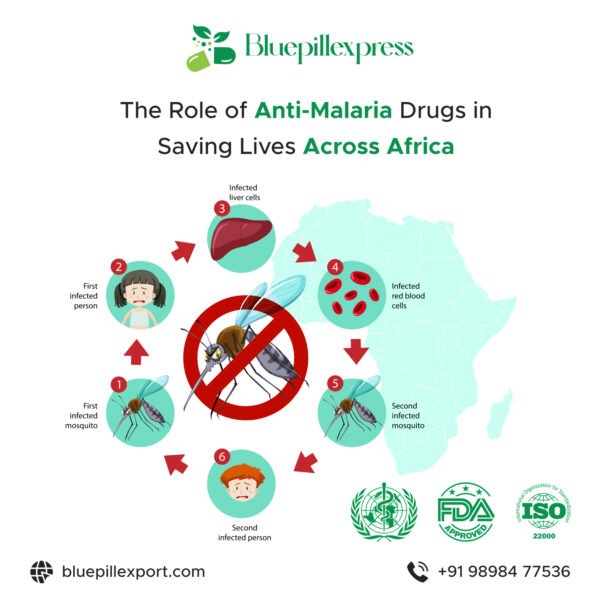
Malaria is caused by parasites of the Plasmodium family, spread through the bite of an infected Anopheles mosquito. Once bitten, the parasites enter your bloodstream, infect your liver, and then attack your red blood cells.
There are several types of Plasmodium, but P. falciparum is the most dangerous. It can cause severe illness or death if not treated quickly.
Malaria is most common in tropical and subtropical regions such as:
- Sub-Saharan Africa
- South and Southeast Asia
- Central and South America
- Parts of the Middle East and the Pacific Islands
While malaria poses a serious threat in these regions, the risk can be managed with the right preventive steps.
Why Prevention Is Important
Once infected, malaria can cause high fever, chills, vomiting, and muscle pain. Severe cases can lead to anemia, organ failure, or even death.
Because the disease spreads through mosquito bites, prevention is always better than cure. By avoiding bites, keeping mosquitoes away from your surroundings, and taking preventive medicines, you can protect yourself and your family.
The Life Cycle of a Malaria Mosquito
To prevent malaria effectively, it’s helpful to understand how mosquitoes breed and spread the disease.
- Breeding: Mosquitoes lay eggs in standing water — puddles, ponds, flowerpots, buckets, and drains.
- Feeding: Female Anopheles mosquitoes bite mainly between dusk and dawn.
- Transmission: When a mosquito bites an infected person, it picks up the Plasmodium parasite and passes it to the next person it bites.
By breaking this cycle — eliminating breeding grounds and preventing bites — you can stop malaria before it starts.
Simple Ways to Avoid Malaria
Let’s explore proven methods to protect yourself from malaria.
Prevent Mosquito Bites
Since mosquitoes are the main cause of malaria, the most effective strategy is to avoid getting bitten.
1. Use Mosquito Repellent
Apply insect repellent on all exposed skin. Choose products containing:
- DEET (20–50%)
- Picaridin
- Lemon eucalyptus oil
- IR3535
Reapply as instructed, especially after sweating or swimming. Repellent sprays or lotions help keep mosquitoes away for several hours.
2. Sleep Under a Mosquito Net
Always use an insecticide-treated bed net (ITN), especially in areas where malaria is common.
These nets:
- Kill mosquitoes that come in contact with them.
- Protect you while sleeping.
- Last up to 3 years when properly maintained.
Children and pregnant women should always sleep under treated nets.
3. Wear Protective Clothing
Cover as much skin as possible:
- Wear long sleeves and long pants, preferably light-colored.
- Tuck pants into socks to prevent bites around the ankles.
- Avoid wearing dark clothes at night, as they attract mosquitoes.
4. Use Window and Door Screens
Install fine-mesh screens on windows and doors to keep mosquitoes out of your home. Repair any holes or tears promptly.
5. Stay Indoors at Dusk
Mosquitoes that carry malaria are most active during sunset and night hours. Try to stay indoors between 6 p.m. and 6 a.m., or use mosquito coils and electric vaporizers if you must be outside.
Eliminate Mosquito Breeding Sites
Mosquitoes can breed in even a teaspoon of stagnant water. Cleaning your surroundings regularly can make a big difference.
Steps to Follow:
- Empty containers, old tires, and flower pots that hold water.
- Clean water storage tanks weekly.
- Cover all water containers tightly.
- Clear gutters and drains to avoid blockages.
- Change the water in pet bowls and plant trays often.
BluepillExpress encourages communities to organize local cleanliness drives to destroy mosquito breeding grounds and keep neighborhoods malaria-free.
Use Indoor Insecticide Sprays
Indoor residual spraying (IRS) involves coating walls and ceilings with insecticide that kills mosquitoes on contact.
This method:
- Protects for up to 3–6 months.
- Is highly effective when done by professionals.
If IRS isn’t available, use aerosol sprays or plug-in mosquito killers regularly.
Take Preventive Medication
When living in or traveling to malaria-prone areas, doctors often prescribe antimalarial prophylaxis — medicine that prevents infection.
Common preventive drugs include:
- Atovaquone-Proguanil (Malarone) – highly effective, well-tolerated.
- Doxycycline – also prevents other infections.
- Mefloquine – taken weekly; effective but may cause mild side effects.
- Chloroquine – used in areas with no drug resistance.
Always start medication before entering a malaria zone and continue after returning as directed by your doctor.
BluepillExpress supplies authentic, WHO-approved malaria prevention medicines globally, helping travelers and healthcare providers stay safe and protected.
Educate Your Community
Awareness saves lives. Educating others about malaria prevention helps reduce transmission.
Community actions include:
- Sharing information on symptoms and treatment.
- Encouraging everyone to use bed nets and repellents.
- Participating in public health programs for mosquito control.
Health education is a key part of BluepillExpress’s mission to fight malaria through awareness and accessibility.
Recognizing the Early Symptoms of Malaria
Even with prevention, it’s important to recognize malaria symptoms early for quick treatment.
Common symptoms appear 10–15 days after an infected mosquito bite and include:
- Fever and chills
- Headache and muscle pain
- Fatigue and sweating
- Nausea and vomiting
- Cough or mild breathing difficulty
If you have recently visited or live in a malaria-prone area and experience these symptoms, seek medical help immediately. Early treatment prevents complications.
How Antimalarial Drugs Work
Antimalarial drugs fight parasites at different stages of their life cycle:
- Preventive drugs stop infection before symptoms appear.
- Treatment drugs kill parasites in the blood or liver once infection occurs.
For treatment, doctors may prescribe:
- Artemisinin-based Combination Therapies (ACTs) – the most effective modern treatment.
- Quinine – for severe cases.
- Primaquine or Tafenoquine – prevent relapse in P. vivax malaria.
Correct use of medication ensures complete recovery and helps avoid drug resistance.
Protecting Children and Pregnant Women
Children under 5 and pregnant women are most vulnerable to malaria.
Here’s how to protect them:
- Use treated mosquito nets nightly.
- Give children preventive medication if recommended.
- Pregnant women should take Intermittent Preventive Treatment (IPTp) during antenatal visits.
- Avoid outdoor exposure after dark.
By following these measures, families can protect their most vulnerable members from malaria.
Travel Tips to Avoid Malaria
If you are traveling to a malaria-endemic area, preparation is key.
Before Travel
- Consult a doctor 4–6 weeks before your trip.
- Begin your prophylactic medication early.
- Pack repellents, long-sleeved clothes, and a mosquito net.
During Travel
- Sleep under bed nets.
- Avoid mosquito-infested areas at night.
- Keep your room air-conditioned or screened.
After Travel
- Continue medication as prescribed (usually for 1–4 weeks).
- Watch for fever up to 1 month after returning.
- Seek medical care immediately if symptoms occur.
BluepillExpress provides travel health kits and medication guidance to ensure travelers remain protected wherever they go.
Nutrition and Immunity for Malaria Prevention
A strong immune system helps your body fight off infections faster. Eating healthy can support malaria prevention and recovery.
Essential Nutrients
- Iron: Prevents anemia and strengthens blood.
- Vitamin C & Zinc: Boost immunity.
- Leafy Greens & Fruits: Support liver and blood health.
- Hydration: Helps the body recover from fever faster.
Avoid alcohol and smoking, which weaken immunity. Rest well and manage stress to keep your body strong.
Myths and Facts About Malaria
| Myth | Fact |
|---|---|
| Only poor people get malaria | Anyone in endemic areas can get infected |
| Malaria spreads from person to person | False – only mosquitoes transmit malaria |
| Once treated, you are immune | False – reinfection can happen anytime |
| Mosquitoes bite only at night | They are most active at night but may bite at dusk too |
| Herbal remedies can replace medicine | False – only approved antimalarials cure malaria |
Education helps clear misconceptions and promotes safer health practices. BluepillExpress continuously works to spread accurate malaria information across communities.
Role of Governments and Organizations
National and international health organizations work hard to reduce malaria cases through:
- Mass distribution of bed nets
- Indoor residual spraying campaigns
- Community education programs
- Free malaria testing and treatment
Private companies like BluepillExpress support these initiatives by providing affordable, high-quality medicines and promoting public awareness to eliminate malaria worldwide.
What to Do If You Suspect Malaria
- Get Tested Immediately: Use a rapid diagnostic test (RDT) or visit a clinic.
- Start Treatment Promptly: Take medication exactly as prescribed.
- Do Not Self-Medicate: Using the wrong drug can cause resistance or complications.
- Rest and Stay Hydrated: Support your body during recovery.
- Complete the Full Course: Even if you feel better, finish all doses to kill remaining parasites.
Community Participation for a Malaria-Free Future
Malaria control is not just a personal responsibility — it’s a community mission.
Everyone must contribute by:
- Keeping the environment clean.
- Reporting mosquito breeding areas.
- Encouraging others to use nets and repellents.
- Supporting local malaria control programs.
When communities unite, malaria transmission drops dramatically.
The Future of Malaria Prevention
Recent advances are giving hope for a malaria-free future:
- Vaccines: The RTS,S malaria vaccine for children offers partial protection.
- Gene editing: Scientists are exploring genetic control of mosquitoes.
- New medicines: Modern ACTs and combination drugs are improving treatment success rates.
BluepillExpress continues to support innovation in malaria control, ensuring the latest treatments reach even the most remote regions.
Conclusion: Stay Alert, Stay Protected
Avoiding malaria is simple when you take the right precautions. Protect yourself from mosquito bites, maintain cleanliness, use preventive medicines, and seek immediate medical care when needed.
Remember these key points:
- Sleep under treated bed nets.
- Use repellents and protective clothing.
- Remove standing water from your surroundings.
- Take preventive drugs if advised by a doctor.
- Spread awareness in your community.
With responsible action and awareness, malaria can be defeated — one household, one community, and one country at a time.
BluepillExpress proudly stands with global health programs in fighting malaria through quality medicines, education, and commitment to a safer, healthier world.