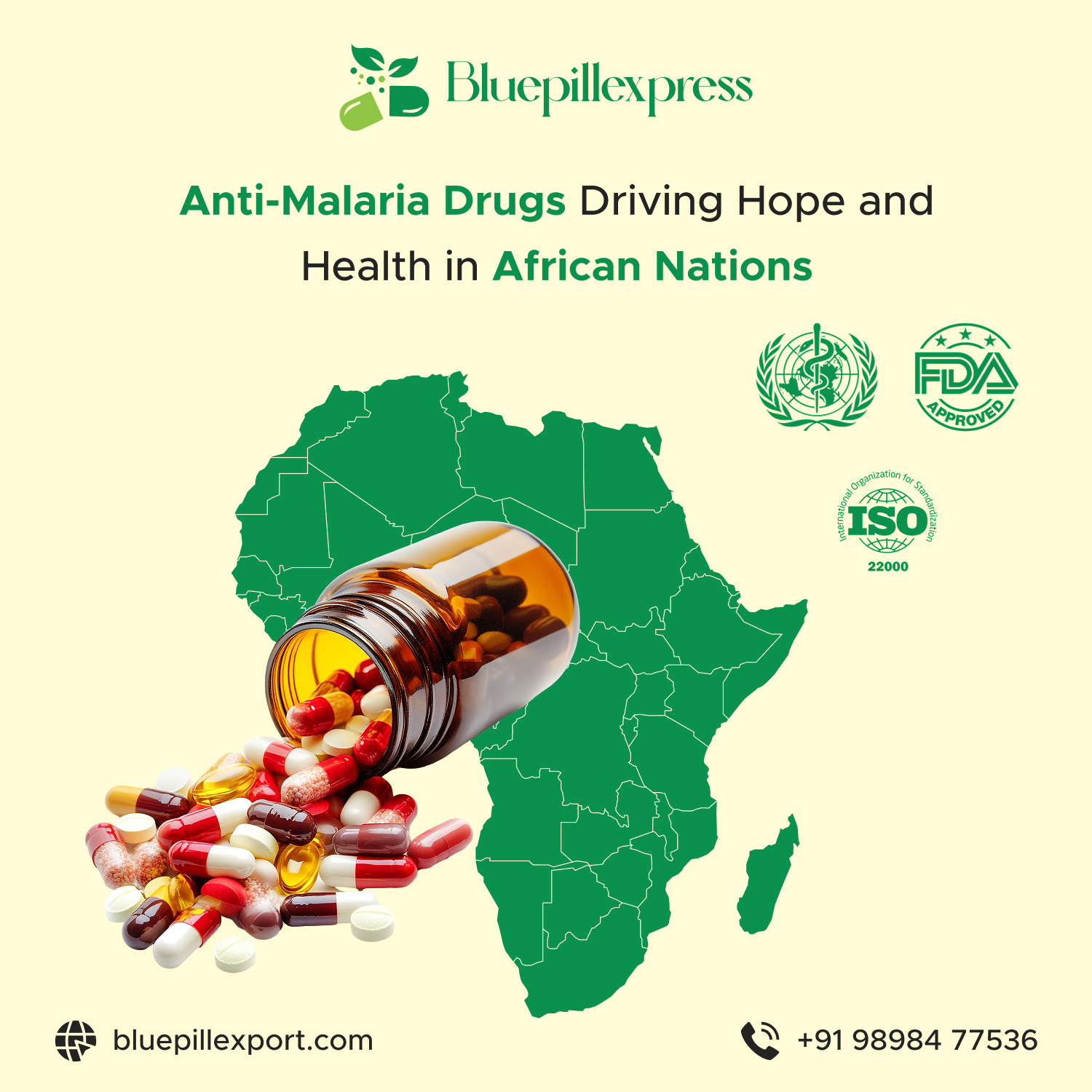
Anti-Malaria Drugs Driving Hope and Health in African Nations
For decades, malaria has been one of the deadliest diseases across sub-Saharan Africa. Each year, millions are infected, and hundreds of thousands—mostly children under five—lose their lives to mosquito-borne parasites. Yet, the story is changing. The introduction and wider availability of effective, affordable anti-malaria drugs are giving new hope to families, communities, and health systems throughout the continent.
From artemisinin-based combination therapies (ACTs) to next-generation medicines like tafenoquine and improved formulations for children, Africa’s access to better treatment is saving lives and improving public health outcomes. Supported by governments, global donors, and local pharmaceutical manufacturers, these drugs are reshaping the continent’s health landscape.
The Burden of Malaria in Africa
A Persistent Threat
Malaria remains one of Africa’s biggest health challenges. According to the World Health Organization (WHO), Africa accounts for over 94% of global malaria cases and deaths. Countries like Nigeria, the Democratic Republic of Congo, Tanzania, and Mozambique are among those hit hardest.
The impact of malaria goes far beyond health. It drains national economies, reduces worker productivity, and affects children’s education due to illness-related absences. Economists estimate that malaria costs Africa over $12 billion annually in lost productivity and healthcare expenses.
Vulnerable Populations
Children under five and pregnant women are particularly at risk. During pregnancy, malaria can lead to stillbirths, premature births, and maternal deaths. For children, a simple mosquito bite can result in high fever, seizures, and sometimes fatal anemia.
In rural areas where healthcare access is limited, untreated malaria can quickly become deadly. This is why timely diagnosis and effective medication are critical.
How Anti-Malaria Drugs Are Changing Lives
The Game-Changing Power of Artemisinin-Based Therapies (ACTs)
The introduction of Artemisinin-based Combination Therapies (ACTs) revolutionized malaria treatment in Africa. Before ACTs, older drugs like chloroquine and sulfadoxine-pyrimethamine were losing their effectiveness due to drug resistance. ACTs combined artemisinin (derived from the sweet wormwood plant) with other partner drugs, creating a powerful combination that kills the parasite quickly and reduces the risk of resistance.
Today, ACTs are the first-line treatment for uncomplicated malaria in nearly all African nations. Widely used and supported by the World Health Organization (WHO) and the Global Fund, these drugs have saved millions of lives.
Affordability and Access
Cost was once a major barrier to malaria treatment. However, international initiatives such as the Affordable Medicines Facility–malaria (AMFm) and Global Fund subsidies have drastically reduced the price of ACTs. In many countries, patients now pay little to nothing for life-saving drugs.
Affordable treatment encourages early care-seeking behavior and reduces the use of counterfeit or substandard medicines that contribute to drug resistance.
Child-Friendly Formulations
Pharmaceutical companies, working with global health organizations, have developed dispersible ACT tablets and sachets that dissolve in water—making treatment easier for children. This innovation has significantly improved adherence to full treatment courses and boosted survival rates among infants and toddlers.
The Role of Global and Local Partnerships
Donor Support and Funding Initiatives
Organizations such as the Global Fund, President’s Malaria Initiative (PMI), and UNICEF have been instrumental in financing and distributing anti-malarial drugs across Africa. The Global Fund’s pooled procurement mechanism ensures that countries can buy ACTs at reduced prices while maintaining high quality standards.
These partnerships not only make medicines more affordable but also strengthen the continent’s overall health systems by improving procurement, logistics, and supply chains.
Local Pharmaceutical Manufacturing
African nations are increasingly investing in domestic drug production. Local manufacturing reduces reliance on imports, cuts transportation costs, and helps maintain steady supply during global disruptions. Countries like Nigeria, Kenya, and Ethiopia have established pharmaceutical plants that produce quality-assured ACTs and other essential medicines.
This local manufacturing drive creates jobs, builds technical capacity, and enhances national health security.
Next-Generation Anti-Malaria Medicines
Tafenoquine and Single-Dose Cures
While ACTs remain the cornerstone of malaria treatment, new drugs like Tafenoquine offer exciting possibilities. Approved by the U.S. FDA and endorsed by the WHO for treating Plasmodium vivax malaria, tafenoquine provides a single-dose radical cure—a huge advancement compared to the traditional 14-day course of primaquine.
This single-dose approach improves compliance and helps reduce relapse rates, making treatment simpler and more effective.
Triple Combination Therapies
To stay ahead of emerging drug resistance, researchers are developing Triple Artemisinin-Based Combination Therapies (TACTs). These regimens combine three drugs instead of two, prolonging efficacy and reducing the risk of resistance. Some African nations are already participating in clinical trials and pilot programs for these new formulations.
Preventive Treatment for Vulnerable Groups
In addition to treatment, anti-malarial drugs are also used preventively:
- Intermittent Preventive Treatment in Pregnancy (IPTp): Protects pregnant women from malaria and related complications.
- Seasonal Malaria Chemoprevention (SMC): Given to children during peak malaria seasons to reduce infection risk.
These preventive strategies have contributed to significant declines in malaria cases in countries like Senegal, Burkina Faso, and Mali.
Improved Diagnostics Strengthening Drug Use
Access to drugs must go hand in hand with accurate diagnosis. The expansion of Rapid Diagnostic Tests (RDTs) across Africa ensures that patients receive the right medicine for confirmed malaria cases. This reduces misuse of drugs and helps prevent resistance.
Affordable diagnostics, coupled with effective treatment, form the backbone of Africa’s malaria control strategy.
Combating Drug Resistance
A Growing Concern
Drug resistance remains a major threat to malaria elimination efforts. Partial resistance to artemisinin has already been reported in parts of East Africa, raising fears of treatment failures.
Surveillance and Response
African governments, in collaboration with the WHO and research institutions, are conducting Therapeutic Efficacy Studies (TES) to monitor resistance patterns. Data from these studies help health ministries adjust treatment guidelines and procure effective medicines.
Promoting Rational Drug Use
Educational campaigns and community health worker training ensure that patients complete full treatment courses and avoid counterfeit drugs—both key to preventing resistance.
Community Health Workers: The Frontline Heroes
In many rural African communities, community health workers (CHWs) play a crucial role in delivering anti-malarial drugs. They diagnose patients using RDTs, administer ACTs, and follow up to ensure recovery.
CHWs make malaria treatment accessible even in remote areas, ensuring no one is left behind. Their work has been instrumental in lowering malaria mortality rates across Africa.
Economic and Social Impact
Reduced Healthcare Costs
Widespread availability of affordable anti-malarial drugs reduces hospital admissions and the need for expensive treatments for severe malaria. Families spend less on healthcare, and governments save millions that can be redirected to other health priorities.
Improved Productivity
Healthy populations mean stronger economies. When workers and farmers are free from malaria, productivity and school attendance rise, boosting local development.
Empowering Women and Children
Women, often caregivers, bear the brunt of malaria’s impact. Affordable treatment relieves financial stress and improves household well-being. Healthy children mean fewer school absences and brighter futures.
Challenges That Remain
Funding Gaps
Despite progress, malaria programs face persistent funding shortages. The WHO estimates that the world needs an additional $3 billion annually to stay on track for global malaria targets. When funds fall short, drug shortages and treatment delays can reverse hard-won gains.
Counterfeit and Substandard Medicines
Fake or poor-quality anti-malarial drugs continue to plague markets. Strengthening regulation, enforcing import controls, and educating consumers remain top priorities.
Climate Change and Vector Expansion
Rising temperatures and changing rainfall patterns are expanding mosquito habitats, leading to new malaria hotspots. This requires adaptive strategies and expanded access to treatment in previously low-risk areas.
Policy Recommendations
To maintain progress and ensure affordable anti-malaria drugs continue saving lives, policymakers should:
- Sustain Financing: Strengthen domestic budgets for malaria control and encourage public-private partnerships.
- Promote Local Manufacturing: Support African pharmaceutical industries to produce WHO-prequalified medicines.
- Expand Diagnostics: Ensure every suspected malaria case is confirmed by an RDT before treatment.
- Invest in Research: Support development of next-generation drugs and vaccines.
- Enhance Community Delivery: Empower and train community health workers for last-mile drug distribution.
- Monitor Drug Resistance: Establish surveillance networks for early detection and response.
Success Stories from African Nations
Rwanda: Rapid Response and Free Treatment
Rwanda’s government provides free malaria treatment in public facilities. By combining affordable ACTs with strong community outreach, malaria cases and deaths have dropped dramatically in recent years.
Ghana: Local Production Boosts Access
Ghana’s local pharmaceutical companies, supported by government incentives, have begun producing quality-assured ACTs domestically, reducing dependency on imports.
Senegal: Seasonal Chemoprevention Success
Senegal’s Seasonal Malaria Chemoprevention (SMC) program for children has cut malaria cases by over 70% during peak transmission months.
These examples demonstrate that when effective drugs are accessible and affordable, national malaria burdens fall sharply.
The Road Ahead: From Control to Elimination
Africa’s goal is not only to control malaria but to eliminate it entirely. Achieving this will require sustained investment in:
- Drug affordability and quality,
- Vector control measures,
- Public education, and
- Innovative tools like malaria vaccines.
The RTS,S vaccine, now rolling out in several African countries, adds another layer of protection when combined with effective drug treatment.
With continued collaboration among governments, donors, researchers, and communities, malaria elimination in Africa is no longer a dream—it’s within reach.
Conclusion: Hope Through Access and Affordability
Affordable anti-malaria drugs have transformed Africa’s malaria story from despair to hope. Millions of lives have been saved, millions more protected, and entire communities lifted toward better health and prosperity.
The fight isn’t over, but the progress is undeniable. As innovation, funding, and commitment continue, Africa is moving closer to a future where malaria no longer defines its health landscape — only resilience, strength, and health do.