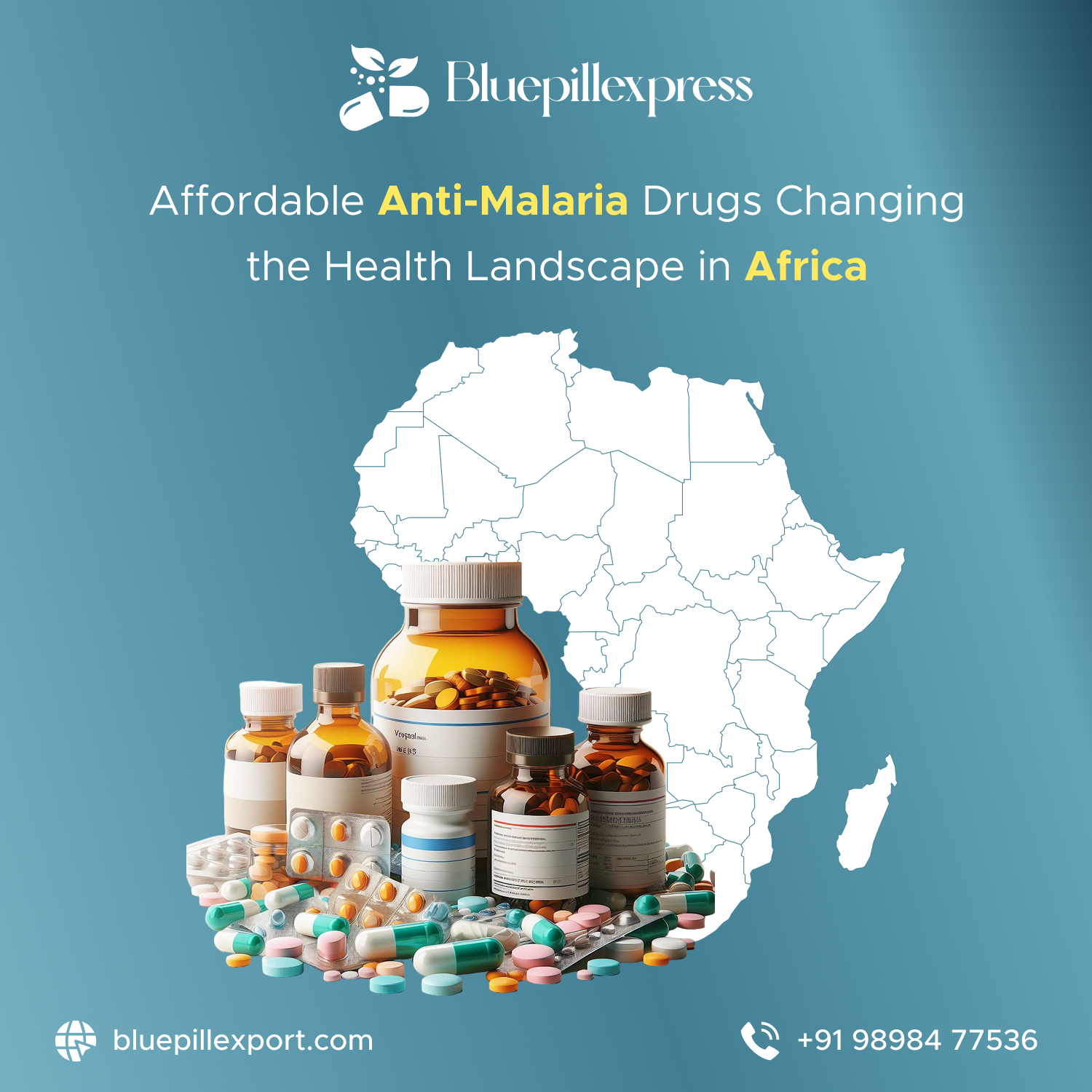
Affordable Anti-Malaria Drugs Changing the Health Landscape in Africa
Malaria has been one of Africa’s heaviest public-health burdens for decades. Yet in recent years, a mix of innovations — cheaper, more effective drugs; smarter procurement and pooled-buying strategies; stronger financing mechanisms; and growing domestic manufacturing capacity — has begun to shift the landscape. Affordable antimalarial medicines do more than lower out-of-pocket costs: they increase treatment coverage, slow the spread of disease, strengthen health systems, and multiply the impact of prevention tools like bed nets and indoor residual spraying. This article explains how lower drug prices and improved access are delivering concrete health gains across the continent, the challenges that remain (notably drug resistance and financing gaps), and practical policy directions to sustain progress.
Why drug affordability matters more than ever
Controlling malaria requires timely diagnosis and effective treatment. For vulnerable populations — pregnant women, young children, and rural poor households — the cost of medicines can be the difference between seeking care or not. When antimalarial medicines are priced out of reach, people delay care, incomplete treatment becomes common, and transmission continues.
In addition, the global malaria response is increasingly strained by intersecting problems: climate-driven shifts in mosquito habitats, humanitarian crises that disrupt prevention and treatment distribution, and insecticide and drug resistance emerging in multiple regions. Making proven antimalarial drugs affordable is therefore essential not only to treat individual patients, but to preserve the effectiveness of available tools and reduce community transmission. The World Malaria Report and WHO updates underline that while global progress has stalled or reversed in some places, better access to diagnostics and treatment remains a cornerstone of malaria control. World Health Organization+1
What “affordable” means in practice
Affordability is not a single figure. It’s the interaction of:
• Manufacturer price — what the pharmaceutical company charges for a finished product.
• Procurement and shipping — bulk purchasing, pooled procurement, and logistics can substantially lower per-dose costs.
• Markups and taxes — import duties, distribution markups, and retail pricing affect patient cost.
• Subsidies and donor financing — external funding (Global Fund, PMI, bilateral donors) often reduces or removes patient charges.
• Availability of generics — generic competition typically drives prices down dramatically.
• Delivery platform — whether drugs are distributed through public clinics, community health workers, or private pharmacies affects cost and access.
Several mechanisms work together to lower prices: strategic donor funding, pooled procurement and reference pricing, prequalification and quality assurance to encourage generic entry, and support for local manufacturing where feasible. The Global Fund’s pooled procurement and pricing tables demonstrate how large buyers can secure reference pricing and reduce costs for ACTs and other essential antimalarials. The Global Fund+1
The central role of artemisinin-based combination therapies (ACTs)
Artemisinin-based combination therapies (ACTs) are the backbone of first-line treatment for uncomplicated Plasmodium falciparum malaria across sub-Saharan Africa. Over the last two decades, ACTs replaced older monotherapies like chloroquine and sulfadoxine-pyrimethamine in large part because ACTs are more effective and slow the emergence of resistance when used as combinations.
Making ACTs affordable and widely available is therefore critical. Procurement agreements by major global buyers and supportive policy changes in endemic countries have driven the price of many quality-assured ACT formulations down compared with a decade ago, increasing their availability through public health systems and subsidized private channels. The Global Fund’s commitments to increase access and its price-reference mechanisms are a major part of this dynamic. The Global Fund+1
Newer medicines and formulations — more options, better outcomes
While ACTs remain first-line, innovations are expanding the toolbox:
• Fixed-dose combinations and child-friendly formulations (sachets, dispersible tablets) make dosing simpler and help improve adherence among young children.
• Longer-acting partner drugs such as piperaquine (used in some combinations) can reduce recurrence risk.
• Single-dose radical cure options for P. vivax — for example, tafenoquine — simplify treatment schedules for P. vivax relapse prevention, though they require screening for G6PD deficiency prior to use. Clinical and programmatic studies, and inclusion in treatment options, are making such tools progressively more accessible. The Lancet+1
Lower unit costs for these newer, programmatically useful formulations means health systems can use them more flexibly — for seasonal chemoprevention campaigns, for mass drug administration pilots, or for targeted treatment of high-transmission pockets — broadening the impact beyond individual case management.
How financing and global mechanisms drive down prices
Two linked channels have been especially influential:
- Large donors and pooled procurement — Organizations such as the Global Fund purchase medicines at scale and negotiate reference pricing, which reduces prices for countries that access pooled mechanisms. This creates predictable demand and incentivizes manufacturers to offer lower prices for larger volumes. The Global Fund’s pooled procurement references and its investments in procurement capacity have materially reduced prices for first-line antimalarials. The Global Fund+1
- Targeted subsidy programs — past schemes like the Affordable Medicines Facility–malaria (AMFm) showed that subsidizing ACTs could expand access and increase uptake of quality medicines in the private sector. Lessons from AMFm have informed current strategies that combine public procurement, private sector engagement, and community health worker distribution to make medicines more affordable at the point of care. PMC
When donor financing is stable and well-channeled, countries can buy more quality-assured antimalarials and pass savings onto patients through free public services or subsidized retail prices.
Domestic production and regional manufacturing: a strategic lever
Lowering long-term prices also depends on diversifying suppliers. Africa imports most antimalarial medicines, but investments in regional manufacturing (including API sourcing, formulation, and packaging) can reduce transportation costs, shorten supply chains, and stabilize prices. Several African governments and regional initiatives are actively supporting local pharmaceutical capacity, from incentives to upgrade local manufacturers to quality standards and technology transfers.
Domestic manufacturing is not a quick fix — it requires stable demand, quality assurance, and regulatory strengthening — but as regional capacity scales, it can become a durable driver of affordability and resilience.
Real health impacts: what affordability enables
When quality antimalarials are affordable and accessible, the effects cascade:
• Faster care-seeking and better adherence. Lower cost reduces the barrier to seeking treatment and completing full courses.
• Reduced severe disease and mortality. Early effective treatment prevents progression to severe malaria and death, especially among children under five.
• Lower community transmission. Treating symptomatic infections reduces the infectious reservoir, particularly when combined with effective case detection.
• Better integration with prevention — affordable medicines allow programs to combine mass drug campaigns with distribution of insecticide-treated nets and seasonal chemoprevention to maximize impact.
• Health system strengthening. Predictable procurement and financing improve supply-chain management, reduce stockouts, and build capacity in program logistics.
The World Malaria Report shows that where prevention and treatment coverage improved, disease burdens fell; conversely, where funding gaps and resistance emerged, cases and deaths rose. Affordability of treatment is therefore a linchpin of sustained control. World Health Organization
Critical challenges and risks
Affordability is necessary but not sufficient. Several persistent threats could undermine gains:
1. Drug resistance
Artemisinin partial resistance and partner-drug resistance have been documented in parts of Africa in recent years. The World Health Organization and African health leaders have issued warnings and called for intensified surveillance, treatment diversification, and therapeutic efficacy studies to monitor and respond to resistance patterns. If resistance spreads unchecked, the effectiveness of affordable ACTs will erode, forcing countries to adopt newer, often costlier regimens. That would raise treatment costs and undo hard-won progress. World Health Organization+1
2. Funding shortfalls and donor uncertainty
Recent analyses and reporting have highlighted large financing gaps for malaria control across Africa. When donor funding is reduced or reallocated, affordable procurement strategies become harder to sustain. Even the Global Fund and other major donors face competing priorities and fiscal pressures; this makes domestic financing and efficient use of limited funds essential. African Leaders Malaria Alliance+1
3. Supply-chain fragility and stockouts
Even when prices are low, weak logistics, poor forecasting, and limited storage capacity lead to stockouts. Patients may be forced to buy medicines at higher retail prices or rely on substandard products.
4. Quality assurance
Affordable medicines must be quality-assured. Substandard or falsified antimalarials not only fail to cure patients but can accelerate resistance. Strengthening regulatory capacity and procurement standards is indispensable.
5. Access inequities
Rural and marginalized populations still face distance, information, and financial barriers. Reducing drug price alone won’t close these gaps; community case management, vouchers, and targeted subsidies are needed.
Case studies and program examples
Pooled procurement and reference pricing
The Global Fund’s pooled procurement mechanism and reference pricing tables help countries access ACTs and other antimalarials at lower cost and with quality assurance. Such mechanisms stabilize markets, encourage manufacturers to compete on price, and reduce the administrative burden on individual countries. This has translated to better availability of recommended first-line medicines in many recipient countries. The Global Fund+1
Seasonal Malaria Chemoprevention (SMC)
In Sahelian countries, seasonal chemoprevention with low-cost antimalarial regimens during high-transmission months has dramatically reduced childhood malaria incidence and mortality. Affordability of the drugs used in these campaigns is central to the feasibility and scale of SMC programs.
Radical cure for P. vivax
The introduction and scaling of tafenoquine and improved primaquine regimens for P. vivax radical cure — alongside affordable G6PD testing — are simplifying relapse prevention. When the medicines and necessary diagnostics are affordable and available, patients benefit from fewer relapses and lower cumulative exposure to disease. Clinical evidence and program pilots have shown promise in operational settings. The Lancet+1
Policy recommendations: keeping affordability working for the public
To consolidate and extend gains from cheaper antimalarials, policymakers should pursue an integrated agenda:
- Sustain and diversify financing. Protect core malaria funding (domestic and external), and explore innovative financing (blended finance, performance-based contracting) to reduce vulnerability to donor swings. Evidence shows that predictable funding enables long-term procurement contracts that lower prices. The Global Fund+1
- Scale pooled procurement and market shaping. Expand regional pooled purchasing and transparent reference pricing to encourage competition and volume discounts. Use demand forecasts to sign longer contracts with suppliers and reduce price volatility. The Global Fund
- Invest in surveillance and therapeutic efficacy monitoring. Rapid detection of resistance allows programs to pivot treatment guidelines before widespread treatment failure occurs. Fund therapeutic efficacy studies and genomic surveillance in high-burden countries. World Health Organization+1
- Support local/regional manufacturing strategically. Invest in manufacturing where it can meet quality standards at scale, and align incentives to avoid fragmented small plants that cannot compete on quality or cost.
- Strengthen regulatory and quality systems. Ensure only WHO-prequalified or stringent-regulatory-authority–approved products enter procurement channels; fight substandard and falsified medicines through inspection, testing, and penalties.
- Integrate diagnostics and treatment financing. Subsidize both rapid diagnostic tests (RDTs) and antimalarials in public and appropriate private channels to avoid presumptive treatment and improve targeting.
- Protect vulnerable populations with targeted subsidies. Use vouchers, free public services, and community distribution for children and pregnant women to eliminate out-of-pocket costs for the most vulnerable.
- Preserve stewardship of drugs to slow resistance. Combine affordability with stewardship: encourage correct diagnosis, ensure full dose adherence, and avoid monotherapies.
The role of communities, private sector, and civil society
Communities and local civil society organizations are essential to translating affordable medicines into lives saved. Community health workers extending diagnosis and treatment into remote areas, social-marketing of subsidized ACTs through trusted private retailers, and demand-generation campaigns that tell caregivers when and how to seek care all multiply the benefits of lower prices.
Private sector engagement — when properly regulated and linked to quality assurance — helps widen access through pharmacies and drug shops, especially where public health infrastructure is thin. Civil society plays a watchdog role, raising alarms when stockouts, corruption, or poor quality products appear.
Measuring success: what to track
Programs should monitor a compact set of indicators that capture affordability and impact:
- Price per adult treatment course for first-line antimalarials in public procurement and typical private retail price.
- Stockout days per facility per quarter for first-line antimalarials.
- Proportion of suspected febrile cases tested with RDTs before treatment.
- Treatment coverage among children under five with confirmed malaria.
- Therapeutic efficacy study results and prevalence of molecular resistance markers.
- Out-of-pocket spending on malaria care for households in different income quintiles.
Tracking these metrics helps policymakers link lower drug prices to actual improvements in access and health outcomes.
Looking ahead: optimism tempered by urgency
Affordable antimalarial drugs have already saved lives across Africa. When procurement, financing, and quality assurance align, price reductions translate into significantly higher coverage and better clinical outcomes. But this is a window that requires active protection. Drug resistance is a clear threat; funding gaps and supply fragility can quickly undo gains.
The solution is not only to make medicines cheaper, but to make the entire system — surveillance, procurement, regulation, financing, and community delivery — more resilient. That means continued global solidarity, smarter market-shaping, and stronger domestic commitment. With those pieces in place, affordable medicines will continue to reshape Africa’s health landscape for the better: fewer deaths, less disability, and stronger communities resilient to malaria’s seasonal and climate-driven threats.
Key sources and recent updates (selected)
- World Malaria Report 2024 — WHO (comprehensive global malaria indicators and program analysis). World Health Organization
- WHO statement (20 May 2025) on rising antimalarial drug resistance and the need for intensified action in Africa. World Health Organization
- Global Fund pooled procurement and antimalarial reference pricing documents (procurement mechanisms that reduce price and improve supply reliability). The Global Fund+1
- Lancet / clinical literature on tafenoquine and P. vivax radical cure options. The Lancet+1
- Reporting and analysis on rising malaria cases, funding shortfalls, and resistance concerns (news synthesis). The Guardian+1