How to Protect Yourself from Malaria – A Complete Guide by BluepillExpress
 IndiaMart
 FIEO
FIEO
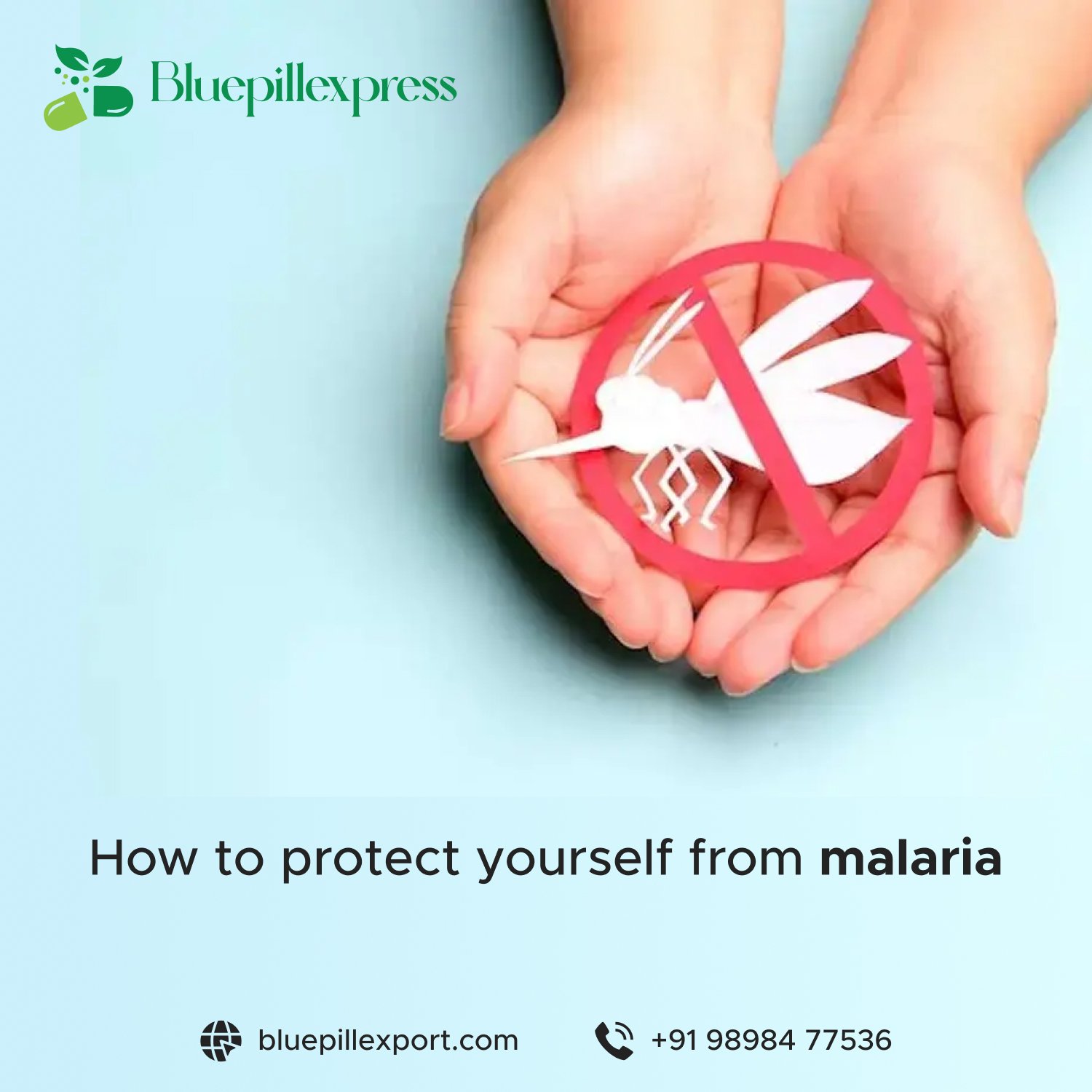
Malaria remains one of the world’s most serious health challenges, especially in tropical and subtropical regions. This mosquito-borne disease affects millions every year, yet it is entirely preventable and treatable. Understanding how malaria spreads, recognizing its symptoms early, and taking proactive steps can make all the difference in keeping yourself and your loved ones safe.
In this detailed guide, we’ll explore everything you need to know about malaria prevention, from mosquito control to medication and lifestyle tips. Presented by BluepillExpress, a trusted name in global health supply and awareness, this article aims to empower readers with knowledge and practical steps to stay protected.
Understanding Malaria
Malaria is caused by Plasmodium parasites, transmitted through the bites of infected female Anopheles mosquitoes. Once inside the bloodstream, these parasites travel to the liver, where they multiply and infect red blood cells.
There are five main species of Plasmodium that infect humans, but Plasmodium falciparum and Plasmodium vivax are the most common — and P. falciparum can be life-threatening if not treated promptly.
Global Burden
According to the World Health Organization (WHO), malaria remains endemic in more than 85 countries, primarily in Africa, South Asia, and South America. Despite global efforts, over 200 million cases occur each year, and hundreds of thousands of people — mostly children — die from the disease.
However, through awareness campaigns, preventive medicines, and rapid diagnostic tools supplied by companies like BluepillExpress, malaria-related deaths have decreased significantly in the past decade.
How Malaria Spreads
Malaria spreads when a mosquito bites an infected person and then transmits the parasite to another human during its next bite. The disease is not contagious — it cannot spread from person to person directly like a cold or flu.
Transmission occurs mainly in areas with warm climates, stagnant water, and poor sanitation — perfect breeding grounds for mosquitoes.
Key risk factors include:
- Living or traveling in malaria-endemic areas
- Not using insect repellent or mosquito nets
- Poor drainage and standing water near homes
- Lack of preventive medication
Understanding how malaria spreads helps us target prevention effectively — which is the first line of defense promoted by BluepillExpress in its public health outreach.
Recognizing Malaria Symptoms Early
Early detection is vital for effective treatment and to prevent complications. Symptoms usually appear 10–15 days after a mosquito bite from an infected carrier.
Common Symptoms Include:
- Fever and chills (often cyclic)
- Sweating and fatigue
- Headache and muscle aches
- Nausea, vomiting, and diarrhea
- Cough and mild chest pain
In severe cases, malaria can cause:
- Anemia
- Jaundice (yellowing of the skin and eyes)
- Convulsions
- Coma
- Organ failure
If you experience any of these symptoms after visiting a malaria-prone area, seek immediate medical attention. BluepillExpress emphasizes early testing and treatment to avoid severe outcomes.
Proven Ways to Protect Yourself from Malaria
Protecting yourself from malaria requires a combination of prevention methods — focusing on avoiding mosquito bites, using preventive medicine, and maintaining a clean environment. Let’s explore each strategy in detail.
Avoiding Mosquito Bites
Since mosquitoes are the main carriers, preventing bites is your first defense line.
1. Use Insect Repellents
Apply mosquito repellents containing DEET, picaridin, or lemon eucalyptus oil to exposed skin and clothing. These chemicals create a scent barrier that deters mosquitoes effectively.
2. Sleep Under Mosquito Nets
Always sleep under insecticide-treated bed nets (ITNs), especially in malaria-endemic regions. These nets kill or repel mosquitoes, offering a reliable shield during night hours when mosquitoes are most active.
3. Wear Protective Clothing
Long-sleeved shirts, long pants, and socks help reduce exposed skin areas. Light-colored fabrics are less attractive to mosquitoes.
4. Install Window and Door Screens
Prevent mosquitoes from entering homes by using screens on windows and doors. Regularly check for tears or gaps and repair them promptly.
5. Use Indoor Sprays
Residual insecticide sprays can kill mosquitoes resting on walls or furniture. They provide weeks of protection when used correctly.
Eliminate Breeding Sites
Mosquitoes breed in stagnant water. Small steps can have a huge impact:
- Empty containers that collect rainwater (buckets, old tires, flower pots)
- Clean birdbaths and pet dishes regularly
- Keep gutters clean and unclogged
- Cover water tanks properly
BluepillExpress partners with local communities to promote such cleanliness drives, encouraging sustainable, mosquito-free living environments.
Use Preventive (Prophylactic) Medication
Travelers or residents in malaria-endemic zones should take antimalarial drugs as prescribed by a healthcare professional. Common preventive medications include:
- Chloroquine
- Doxycycline
- Mefloquine
- Atovaquone-proguanil (Malarone)
Each drug has its dosage and duration depending on your travel destination and medical history. Always consult a doctor before starting medication.
BluepillExpress, as a trusted global supplier, ensures the availability of WHO-approved malaria medicines and encourages people to take preventive doses as part of their travel preparation.
Community and Environmental Prevention
While personal protection is important, fighting malaria also requires community participation.
1. Government and NGO Initiatives
Public health programs often include mass mosquito net distribution, indoor residual spraying, and awareness campaigns.
2. Education and Awareness
Teaching communities about malaria symptoms and prevention ensures early detection and reduces stigma.
3. Vector Control Programs
These involve coordinated efforts to control mosquito populations using biological methods (like introducing fish that eat mosquito larvae) and safe chemical spraying.
4. Public Health Partnerships
Organizations like BluepillExpress actively support government and NGO initiatives by supplying medical kits, rapid diagnostic tests, and antimalarial medicines to health centers across malaria-prone regions.
Travel Tips to Avoid Malaria
If you’re traveling to a malaria-endemic country, follow these guidelines:
- Check Malaria Risk Before You Go
Visit the CDC or WHO website for up-to-date malaria maps. - Start Preventive Medication Early
Begin antimalarial medication before travel and continue after leaving the area, as advised by your doctor. - Pack Protective Gear
Bring repellents, treated nets, and light clothing. - Stay Indoors After Dusk
Mosquitoes are most active between evening and dawn. - Choose Safe Accommodation
Book hotels with screened windows or air conditioning. - Monitor Your Health After Return
Malaria symptoms can appear weeks after exposure. If you feel unwell, inform your doctor about your travel history immediately.
By planning ahead, you can significantly reduce your malaria risk — a message that BluepillExpress consistently reinforces among global travelers and expatriates.
Treatment of Malaria
Even with prevention, malaria infection can still occur. Prompt treatment is essential to avoid complications.
Common Antimalarial Treatments Include:
- Artemisinin-based Combination Therapies (ACTs) – the WHO-recommended first-line treatment.
- Chloroquine – effective in non-resistant cases.
- Quinine and Clindamycin – used for severe infections.
Treatment duration typically lasts 3–7 days, depending on the drug and severity.
Severe Malaria Treatment
Hospitalization is often required, with intravenous medications and supportive care (like blood transfusion or oxygen).
BluepillExpress ensures access to life-saving antimalarial treatments, supplying hospitals and clinics across Africa and Asia with high-quality, affordable medicines.
Natural and Herbal Prevention Methods
While traditional methods should never replace proven medical practices, natural repellents can offer additional protection.
Popular Natural Remedies:
- Neem Oil: Acts as a mosquito repellent and supports immune health.
- Lemongrass & Citronella: Common ingredients in natural sprays and candles.
- Garlic: Consuming garlic may slightly reduce mosquito attraction.
- Tulsi (Holy Basil): Known for mosquito-repelling properties in Indian households.
These herbal options can complement modern preventive strategies for holistic protection.
Malaria Myths and Facts
| Myth | Fact |
|---|---|
| Malaria spreads from person to person | False – only mosquitoes transmit malaria |
| Only poor people get malaria | False – anyone in an endemic area is at risk |
| Malaria is caused by bad air or weather | False – caused by Plasmodium parasites |
| Once treated, you can’t get malaria again | False – reinfection is possible |
| Mosquitoes only bite at night | Mostly true – Anopheles mosquitoes are night-biting |
Education helps dispel myths that delay treatment and prevention. BluepillExpress plays a crucial role in promoting accurate health information worldwide.
The Role of Nutrition and Immunity
A strong immune system can help your body recover faster from infections, including malaria. Eat a balanced diet rich in:
- Iron (for blood health)
- Vitamin C and Zinc (for immunity)
- Leafy vegetables, fruits, and lean proteins
Stay hydrated, rest adequately, and avoid stress — simple habits that support your body’s defenses.
Malaria and Children
Children under five are most vulnerable to malaria. Protecting them requires extra vigilance:
- Always use bed nets and repellents.
- Dress them in protective clothing.
- Seek medical help immediately if they develop fever or chills.
- Follow vaccination guidelines (for example, RTS,S malaria vaccine in some countries).
Mothers and caregivers can save lives by recognizing early signs and seeking timely help.
Malaria and Pregnancy
Pregnant women face higher malaria risks, which can cause complications such as anemia, miscarriage, or low birth weight. WHO recommends:
- Regular antenatal checkups.
- Preventive medication (Intermittent Preventive Treatment in pregnancy – IPTp).
- Use of treated bed nets.
Women in malaria-prone areas should follow medical advice strictly during pregnancy.
Fighting Malaria Together
Eradicating malaria is a global goal — and it requires teamwork. Governments, health workers, pharmaceutical companies, and communities all play vital roles.
BluepillExpress contributes to this fight by:
- Supplying affordable antimalarial medicines to hospitals and pharmacies.
- Supporting awareness campaigns that educate communities.
- Ensuring medicine quality and authenticity to prevent counterfeit drugs.
- Partnering with NGOs in Africa and Asia to improve healthcare access.
- Promoting preventive health practices among travelers and families.
Every mosquito prevented, every dose taken, and every life saved brings us one step closer to a malaria-free world.
Conclusion: A Healthier, Malaria-Free Future
Malaria may be ancient, but with modern science, global cooperation, and awareness, it’s no longer unbeatable. Prevention is not difficult — it begins with understanding, small daily actions, and community support.
Use mosquito nets, eliminate standing water, take prophylactic medication, and stay alert for symptoms. With the right precautions, you can travel, live, and work safely even in malaria-endemic areas.
As BluepillExpress continues to lead efforts in supplying reliable medicines and promoting preventive awareness, the dream of a malaria-free world is within reach. Remember: Knowledge, prevention, and quick action save lives.